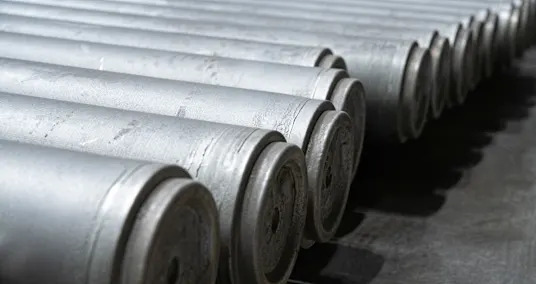
Fears of global aluminium shortages that could affect the production of clean energy technologies intensified after Iran struck two major Gulf aluminium producers, sending prices to a four-year high. The Middle East accounts for 9% of the world’s production of aluminum, which is essential to a wide range of industries from transportation, construction, and packaging, as well as the manufacture of solar panels, electrical transmission systems, wind turbines, and EVs.
Export shipments to the US and Europe had already come to a halt because of the effective closure of the Strait of Hormuz, and Morgan Stanley economists singled out aluminium as carrying a high level of risk across the value chain. Andy Farida, an aluminium analyst at Fastmarkets, told Semafor that high prices would be passed on to end-users, ultimately causing demand destruction. “A prolonged shutdown (with little to no alternative supplies other than Russia and China) could cripple the supply of aluminium to support the production of clean and green technology,” he said, adding that relief could come “if governments allow some sanctioned Russian and Chinese aluminium to be imported.”

LATEST POSTS
- 1
 How did birds survive while dinosaurs went extinct?
 - 2Israeli president concerned over proposed renaming of park
- 3‘It’s Israeli policy’: Report reveals abuse of Palestinians in prisons
- 4A Gustav Klimt painting is now the most expensive piece of modern art sold at auction. The fascinating history behind the $236 million 'Portrait of Elisabeth Lederer.'
- 5SpaceX launches Starlink satellites from California on 160th Falcon 9 flight of the year (video)


- A company is trying to unlock a key to aging, in a long-overlooked body part
- Supportive Tips On Home loans For First-Time Home Purchasers
- Find the Lively Food Markets of South America
- Best Disney Palace: Which One Catches Your Creative mind?
- Figure out How to Streamline Eco-friendliness in Your Volvo XC40
- The Appearance of Experience: Embracing the Reduced Portage Horse
- She was the ultimate '90s fitness influencer. Now she's delivering Uber Eats — and rebuilding her life.
- Passover under fire: Israelis balance fatigue with cautious hope after month of war
- Sahel coups push Africa to top of global democratic declines, report finds